Digital maps are made of streets, businesses, destinations, and official landmarks. They can calculate how to get from A to B, but that is not the only way we move through and experience the city. Someone might take the longer path, avoid a particular crossing, linger by a window, or measure the way to a friend’s house in one song.
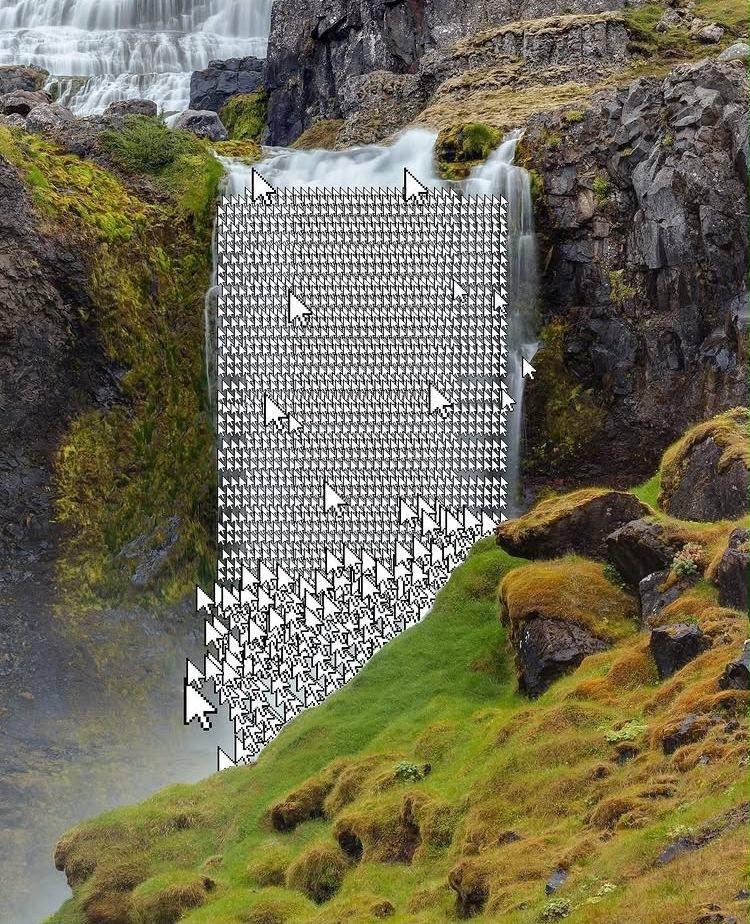
Taken again and again, these choices become desire paths: routes worn into existence through acts of care, avoidance, necessity, and desire, but left unregistered by digital maps.
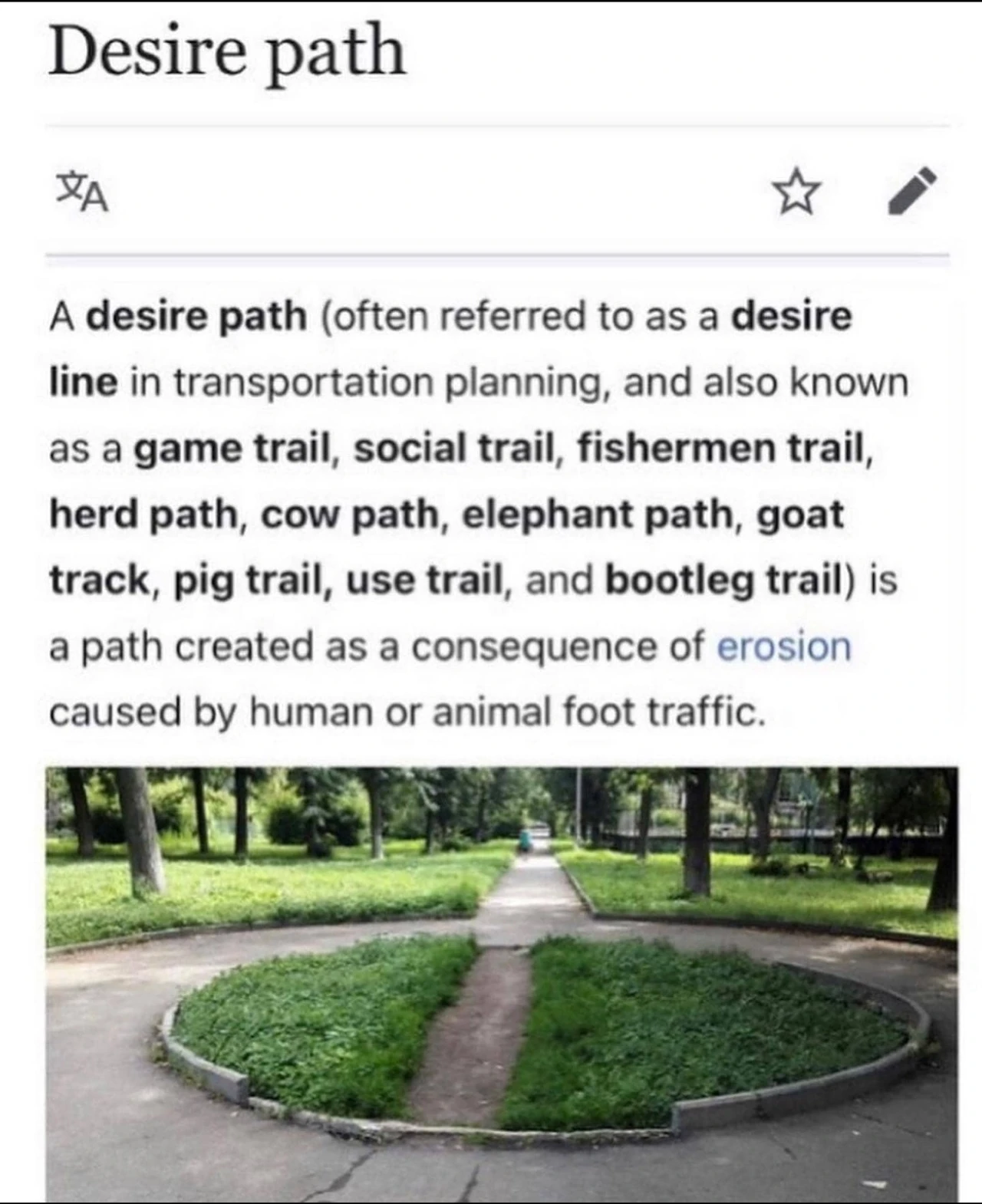 Desire paths: unofficial routes worn into existence through repeated movement
What cities are we already making through the ways we live and move in them, and what new mental desire paths can emerge when chance, attention, and the city itself are allowed to reroute us?
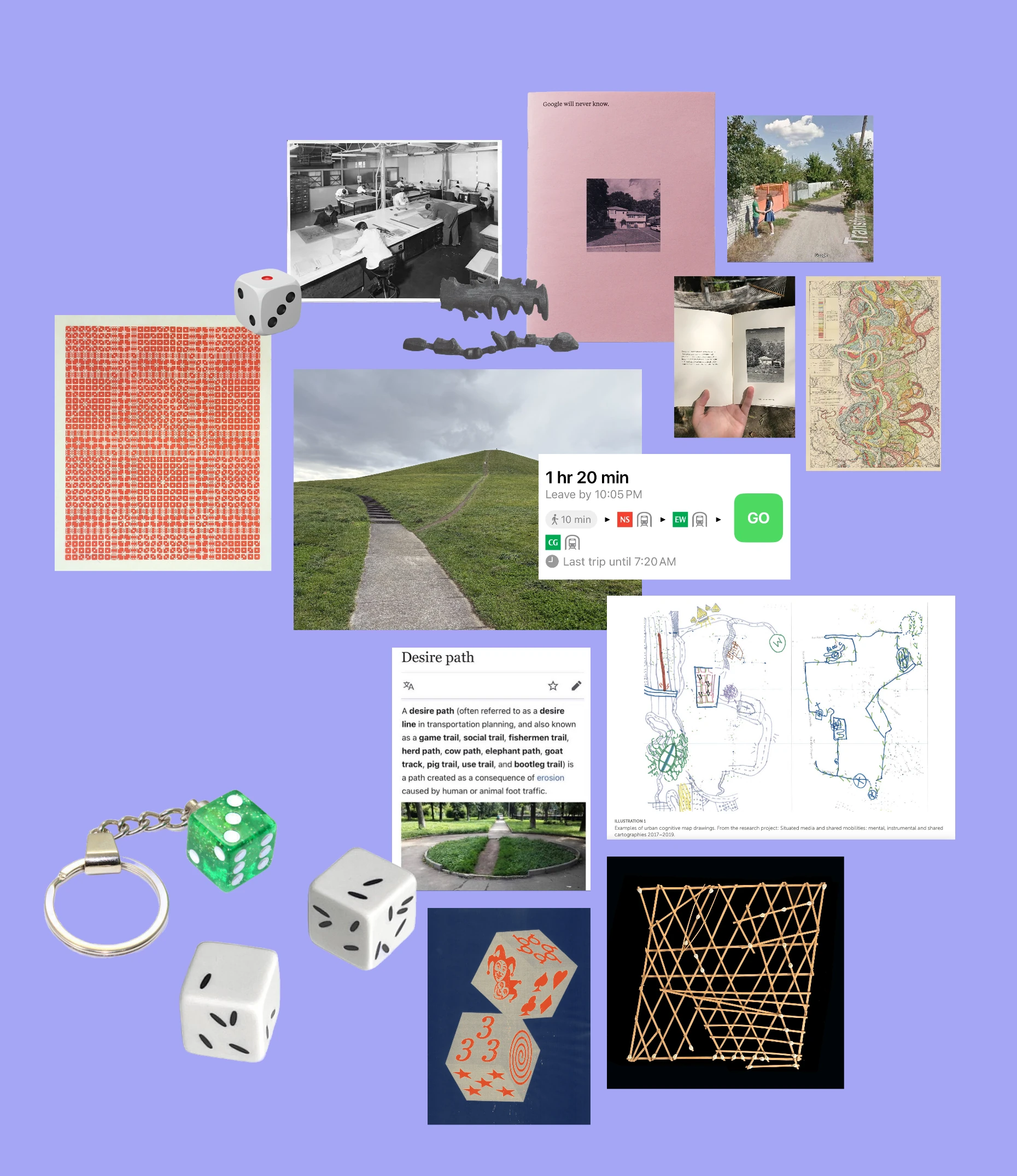 Research fragments for getting there otherwise
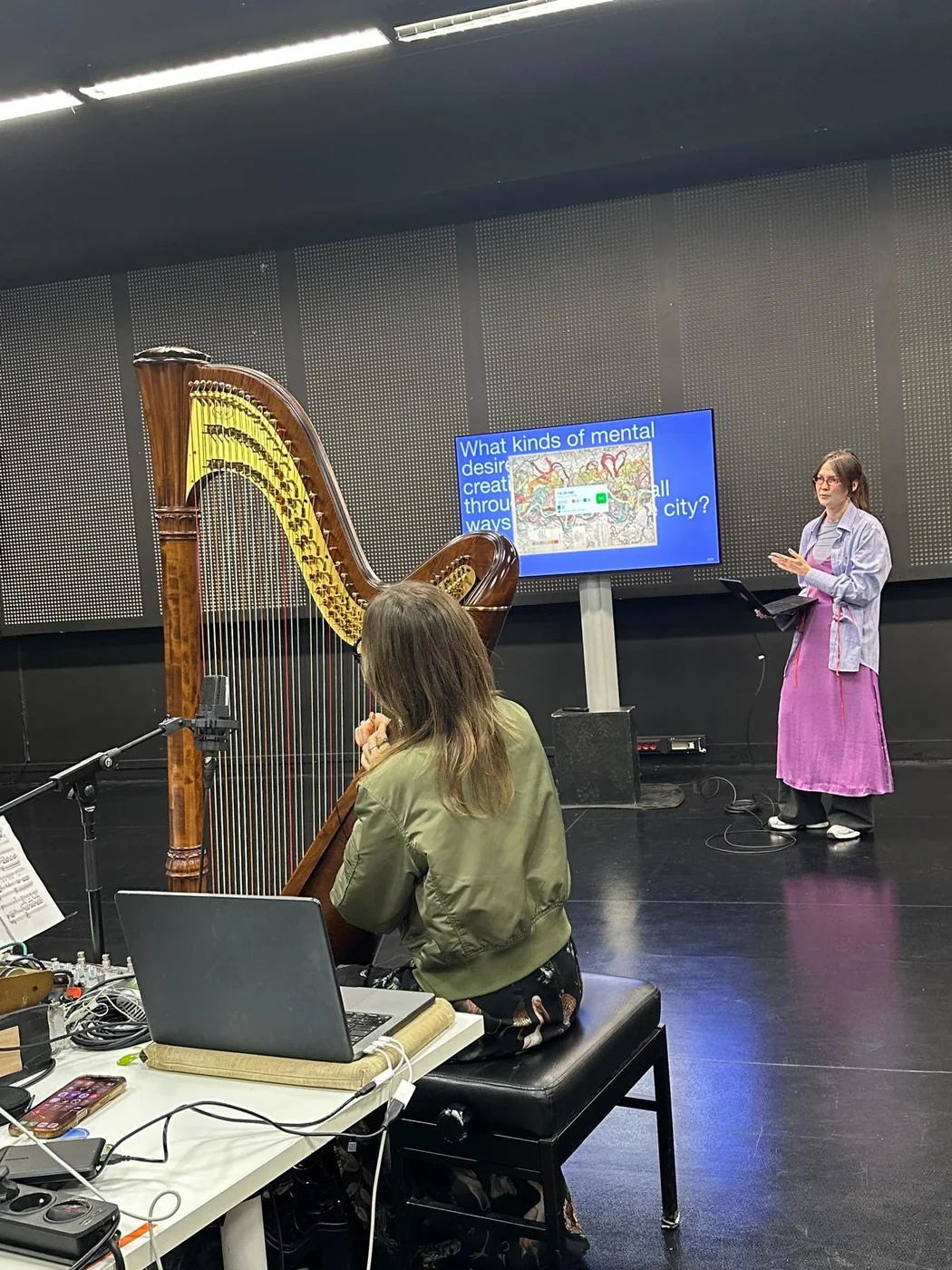
During this participatory walk, everyone receives a set of alternative navigation instructions and follows a personal route shaped by chance, attention, sounds, small encounters, and unofficial directions. Each route produces a temporary desire path of attention: a new way of noticing, moving through, and connecting existing points that digital navigation leaves untouched.
Can a desire path be seen as an exercise of democracy in its most embodied form?
What might reroute you?
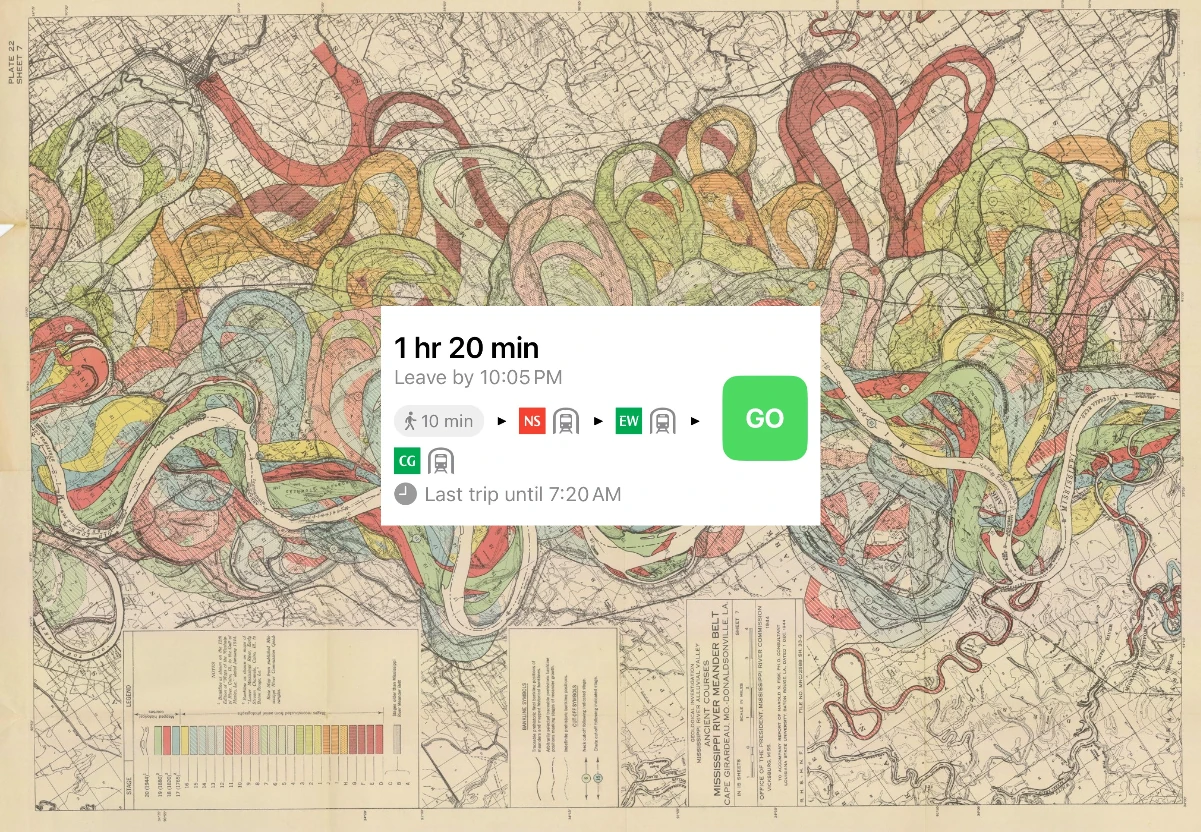 Taking the less useful route
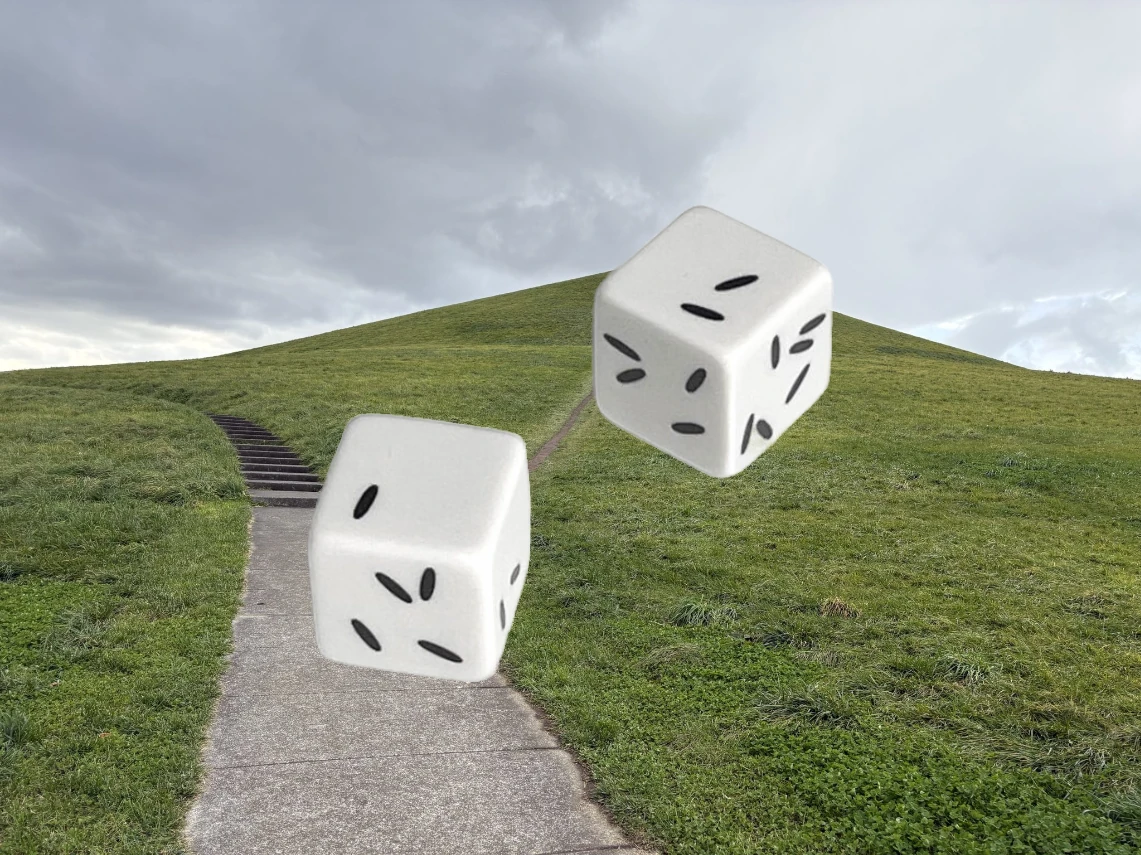
A colour, a dice roll, an animal trace, a repeated sound, or an unexpected obstacle may redirect you. You may be asked to take the less useful route, find a place that makes you slow down, or register something Google Maps cannot see.
What exactly happens in the walk?
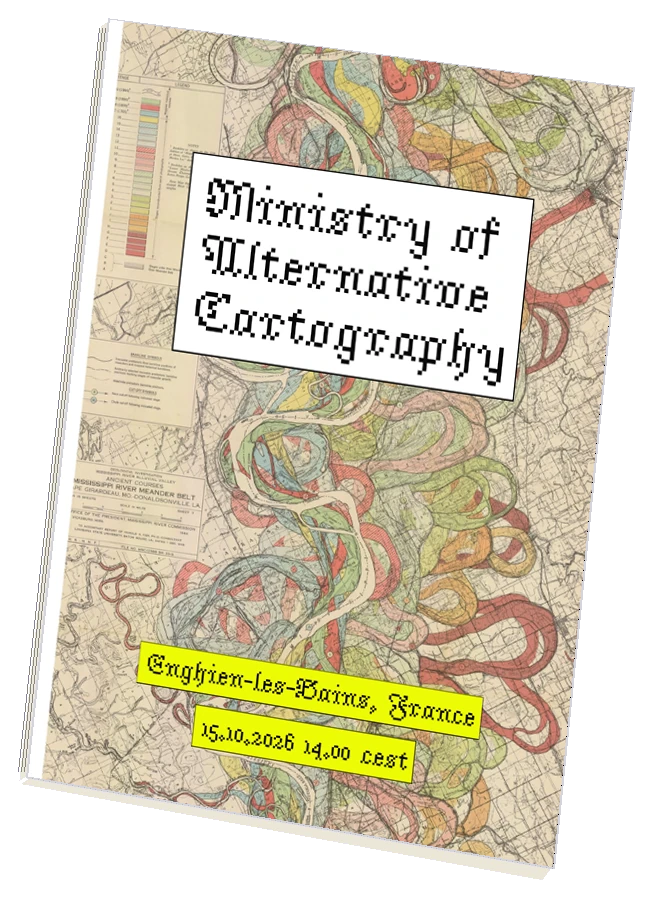 Each participant receives their own little booklet to use during the walk and keep afterwards
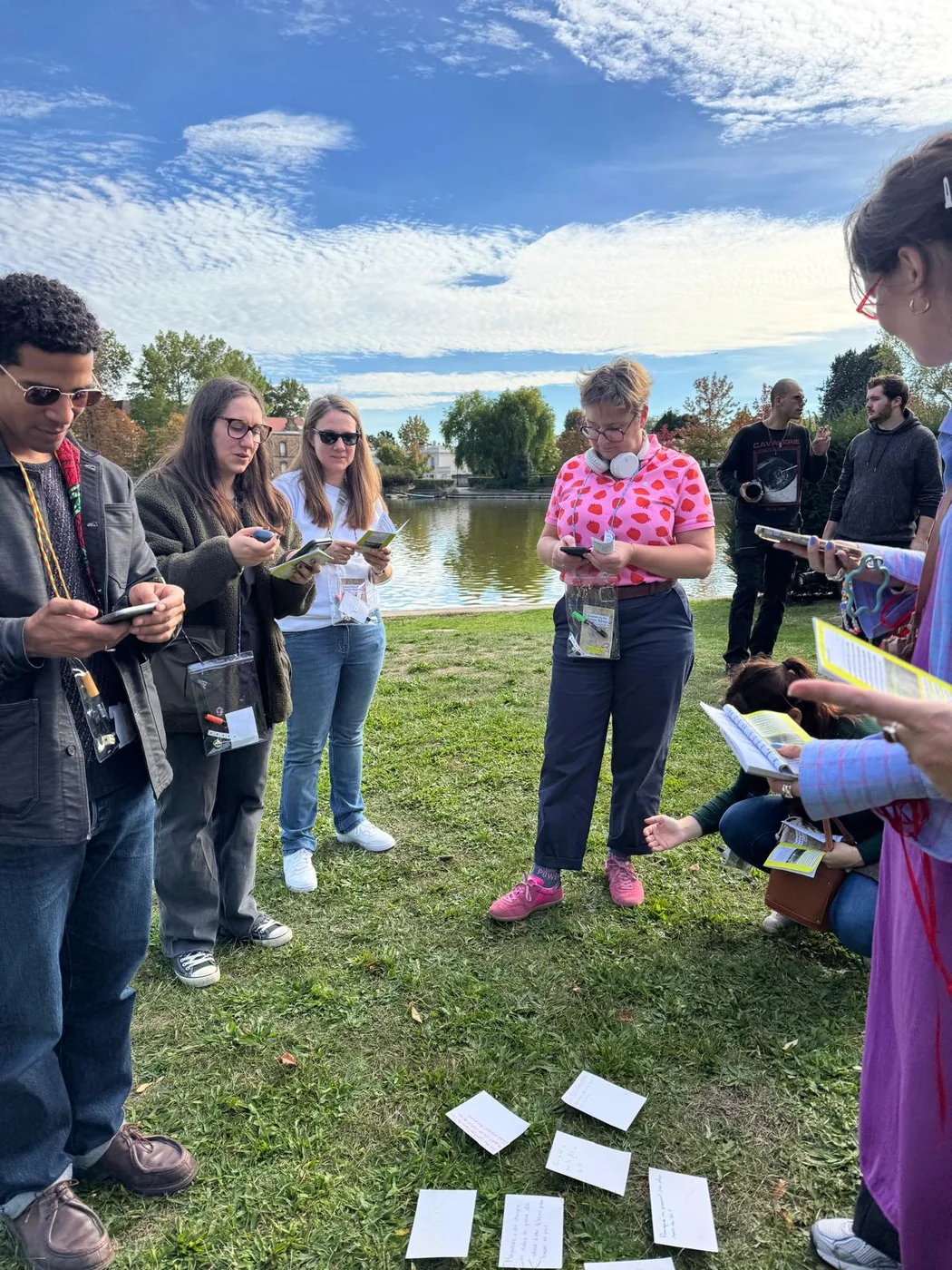
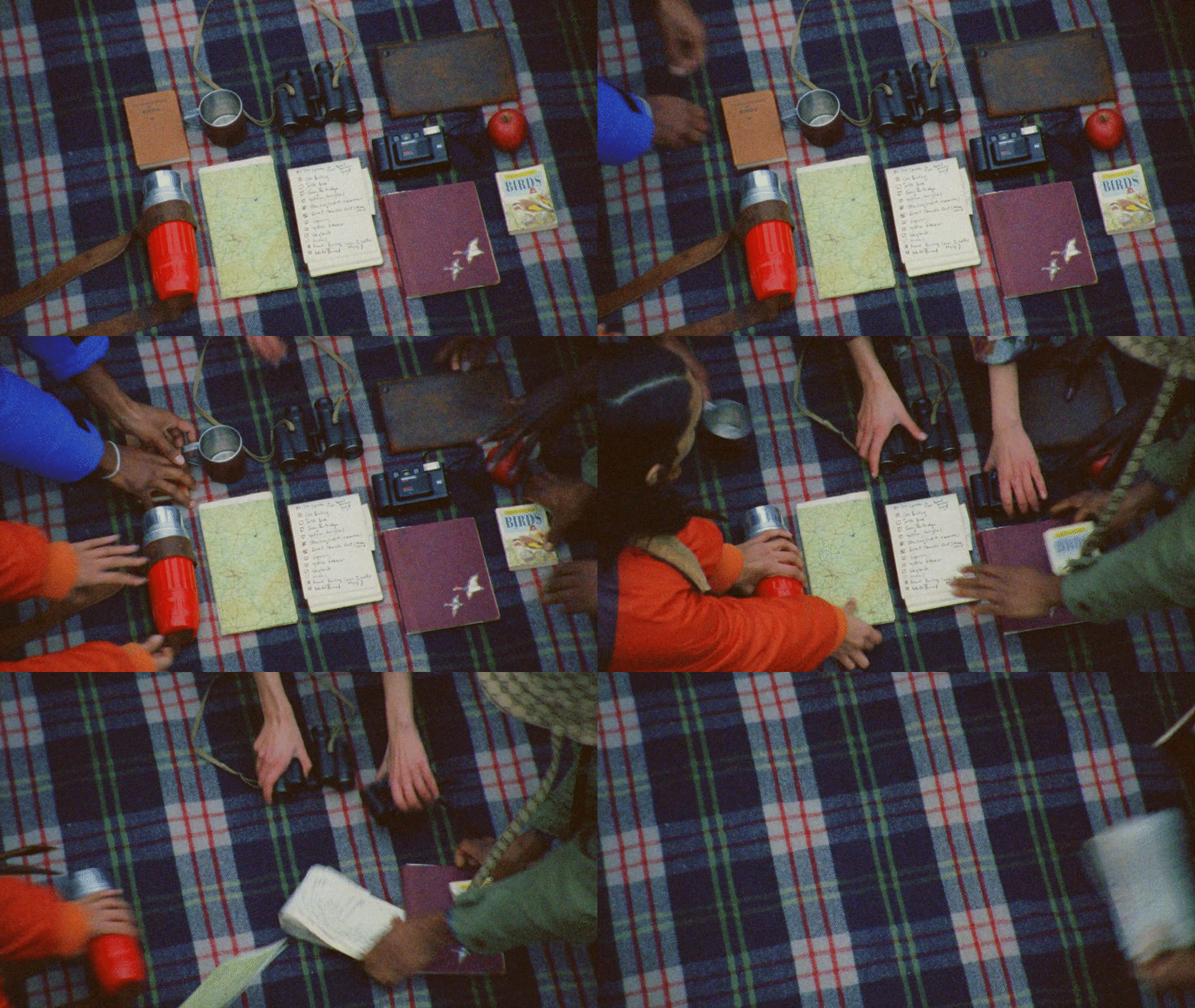
- Each person receives a navigation kit with a zine, marker, dice, map, and a little carrier bag
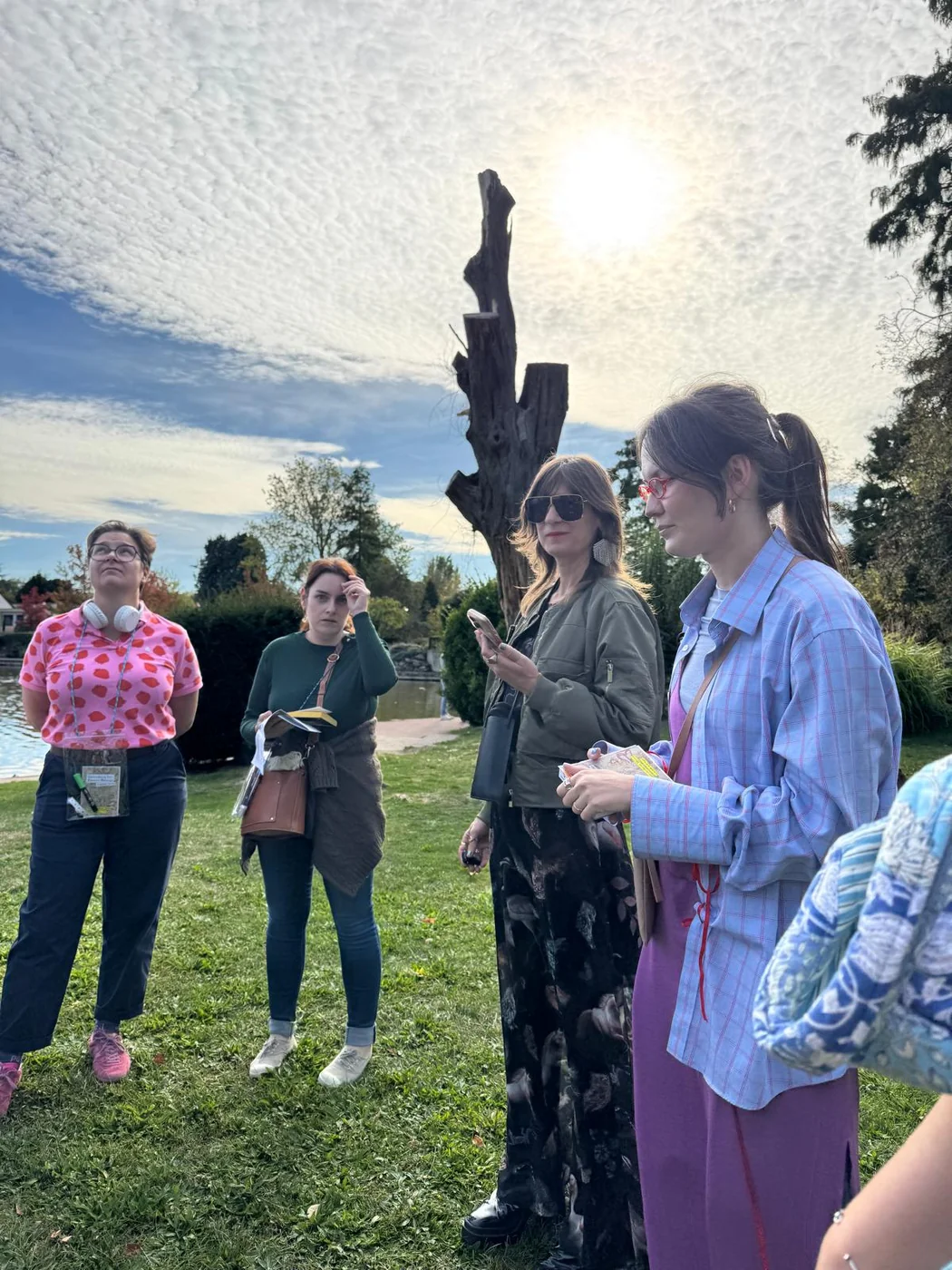
- Everyone walks independently through a defined area for approximately one hour
- Routes are redirected by simple scores, chance, and a dice roll
- Participants photograph, sketch, listen, and collect one to three observations
- The group meets at three temporary rendezvous before setting off independently again
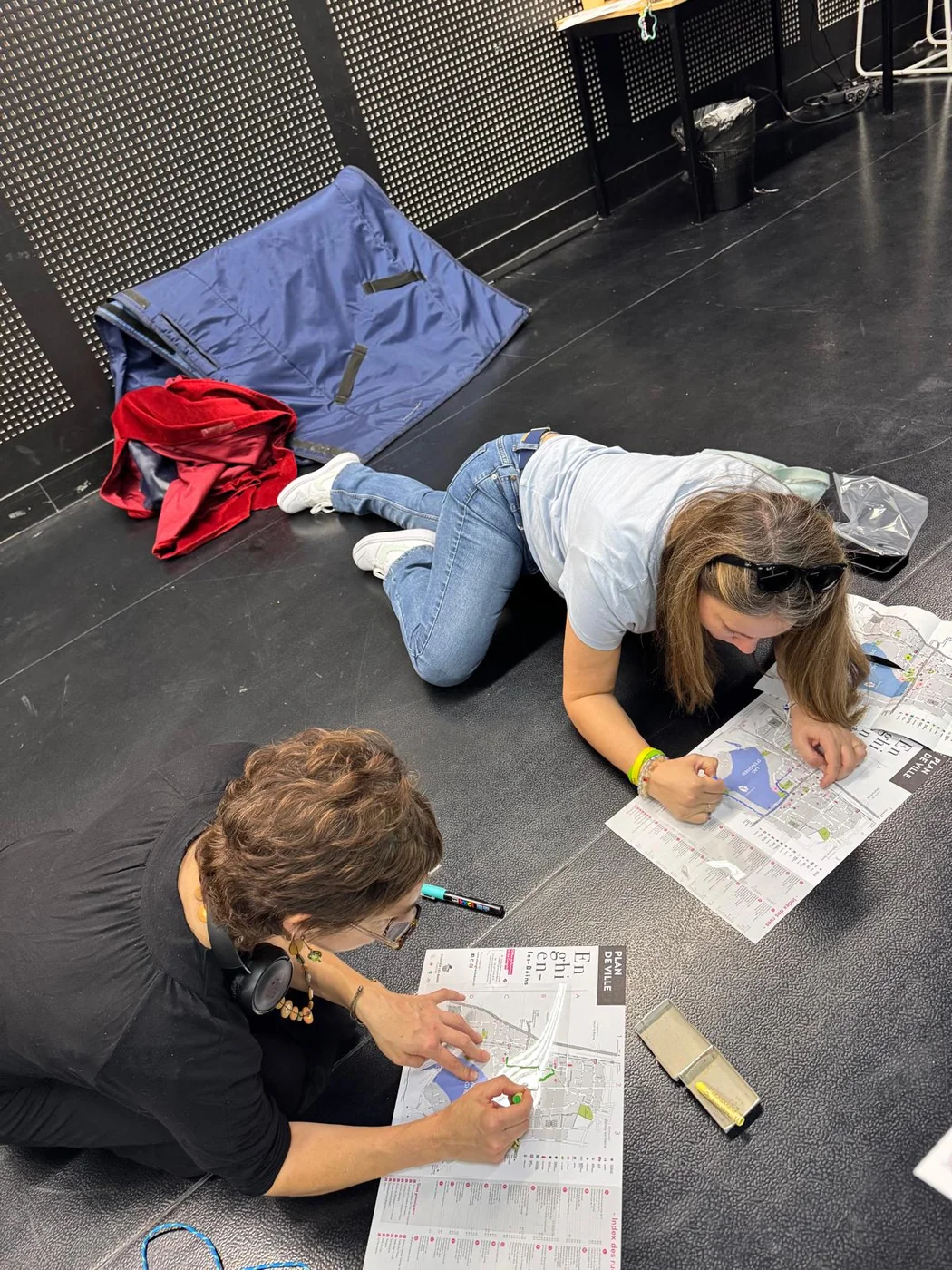
- At the end, everyone returns to the venue to practice alternative cartography together through drawing, filling maps, and sharing what they experienced
What do we bring back?
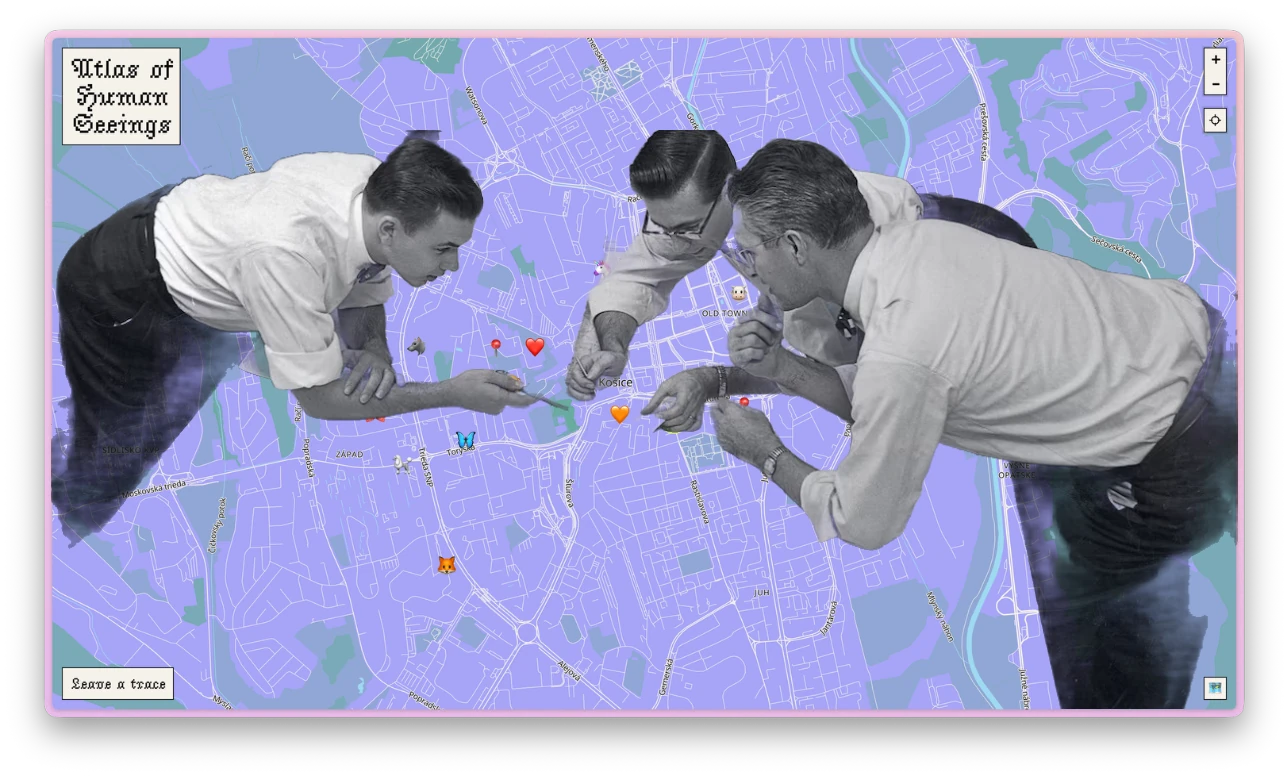
Along the way, we meet at three temporary rendezvous before returning to the venue with photographs, sketches, sounds, names, and observations. Together, we practice alternative cartography by drawing, filling maps, and sharing what we actually experienced. These traces become an alternative map of the area and populate a growing Atlas of Human Seeings.